Hiking Downhill: Technique to Protect Your Knees and Stay Steady
Everyone worries about the climb, but downhill is what wrecks knees and causes slips — the descent puts far more force through your joints. The good news is that technique, gear and a little preparation make downhill safer and more comfortable. Here is why descending is harder on the body, the technique that protects your knees, and how to prepare.
Why Downhill Is Harder on the Body
The descent demands: the the-impact-force (the downhill sending far more force through the knees with each step than climbing — the the-joint-load; the control-the-descent), the the-eccentric-muscle-work (the the muscles working to control the descent, causing next-day soreness from the recovery logic — the the-braking-work), the the-slip-and-trip-risk (the loose terrain and momentum increasing the fall risk — the the-footing-hazard), the the-fatigue-late-in-the-hike (the tired legs on the descent when control matters most — the the-tired-legs-problem), the the-toe-and-foot-pressure (the the pressure on toes and the front of the foot going down from the footwear logic — the the-downhill-jam), and the reframe (the downhill as the harder, higher-force part of hiking — protected with technique, gear and preparation, not just powered through).
The Technique That Protects Your Knees
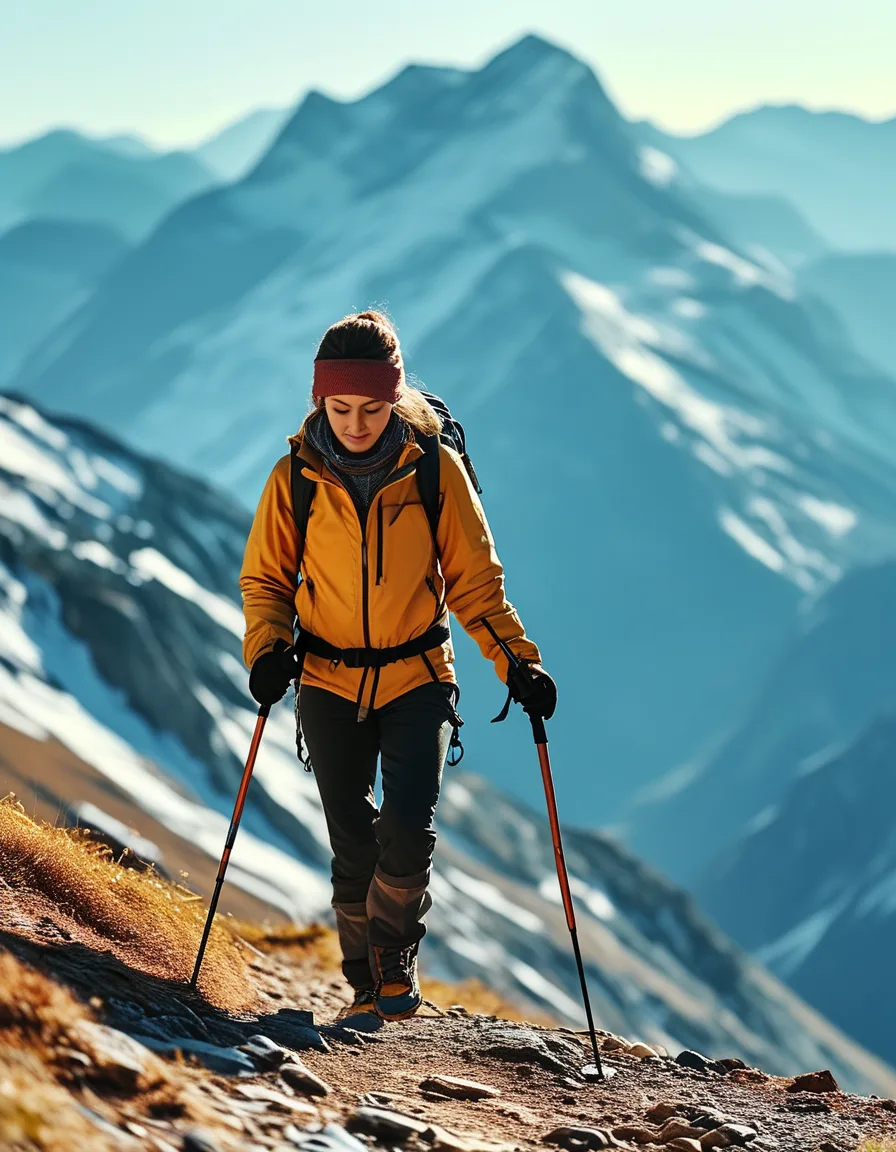
Descending well: the the-shorter-steps (the smaller steps to control momentum and reduce impact — the small-and-controlled), the the-soft-bent-knees (the keeping the knees soft and bent to absorb force, not locked — the absorb-the-impact), the the-lean-slightly-forward (the a slight forward lean with the terrain, not leaning back — the stay-over-your-feet), the the-trekking-poles (the poles taking load off the knees and adding stability from the poles logic — the the-knee-savers), the the-controlled-pace (the a controlled, deliberate pace over fast and reckless — the slow-the-descent), the the-zigzag-steep-sections (the switchbacking down very steep parts rather than straight down — the ease-the-grade), the the-strong-footing (the placing each foot deliberately on stable ground — the look-and-step), and the the-engage-the-core-and-glutes (the using the whole lower body and core to control — the whole-body-brake).
The Gear-and-Prep Notes
Preparing for descents: the the-supportive-footwear (the well-fitting boots or shoes with grip and toe room from the footwear logic — the grip-and-fit), the the-trekking-poles (the poles as the single best knee-protector on descents from the poles logic — the bring-the-poles), the the-lace-for-downhill (the lacing to lock the heel and stop the foot sliding forward — the stop-the-toe-jam), the the-leg-strength (the strong quads and glutes to control the descent from the stamina logic — the train-the-brakes), the the-pace-and-rest (the not rushing tired descents from the recovery logic — the manage-fatigue), the the-recovery-after (the post-hike recovery for the descent soreness from the recovery logic — the recover-the-legs), and the frame (the downhill hiking as short, controlled steps with soft knees, trekking poles and good footwear, backed by leg strength — protected knees and steady descents. Take small steps with bent knees, use poles, lace to stop toe-jam, and build the leg strength that controls the descent).
Everyone worries about the climb, but downhill is what wrecks knees and causes slips — the descent puts far more force through your joints. It is harder because downhill sends more impact through the knees each step, the muscles work eccentrically to brake (causing soreness), loose terrain and momentum raise fall risk, and legs are tired late in the hike. Protect your knees with shorter steps to control momentum, soft bent knees to absorb force, a slight forward lean over your feet, trekking poles to offload the joints, a controlled pace, switchbacking down steep sections, deliberate footing, and engaging the whole lower body. Prepare with supportive well-fitting footwear, poles, lacing that locks the heel to stop toe-jam, strong quads and glutes, sensible pacing, and post-hike recovery. Protected knees and steady descents.
Keep Reading
This article is for general informational and styling purposes only. Fit, sizing, and product availability may vary — check current details before purchasing.