How to Hike Uphill Without Getting Exhausted
Every hiker knows the moment: the trail tilts upward and suddenly your legs are screaming and your lungs are heaving. But grinding up hills in misery isn’t inevitable. With the right pacing, technique, and breathing, you can climb steadily and reach the top with energy to enjoy the view.
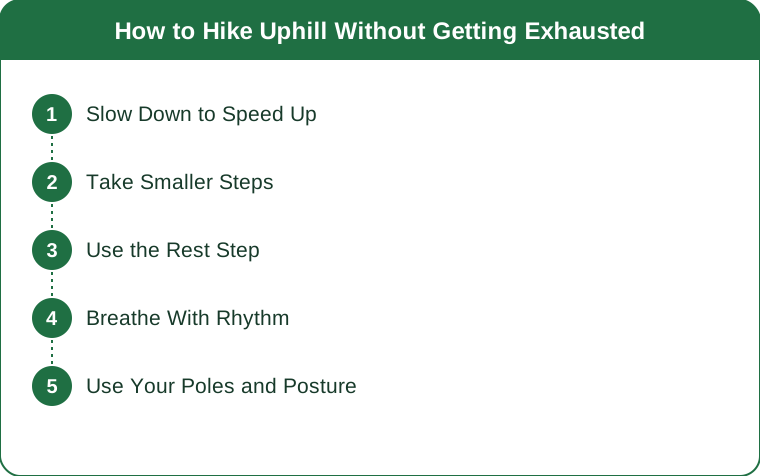
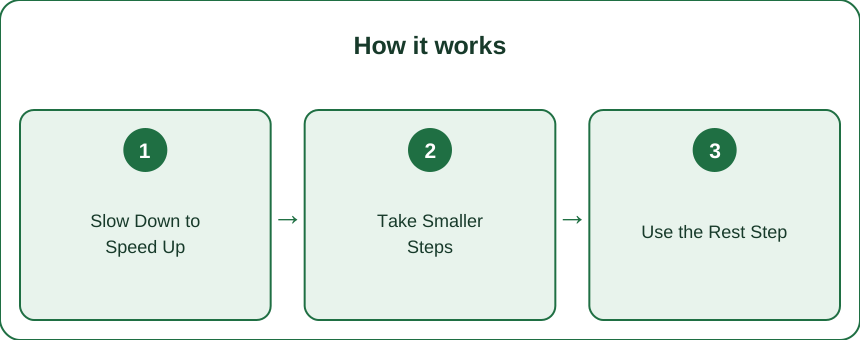
Slow Down to Speed Up
Charging uphill burns you out fast, while a slower, sustainable pace gets you to the top feeling far better. Ego is the enemy on a climb. Ease off and you’ll actually arrive sooner and stronger.
Take Smaller Steps
Short, deliberate steps demand less from your muscles per stride than big lunging ones. On steep sections, small and steady wins. Your legs will last much longer.

Use the Rest Step
Briefly locking your back leg straight between steps lets your muscles rest for a split second each stride. This mountaineering trick is a game-changer on long climbs. It’s rest hidden inside movement.
Breathe With Rhythm
Syncing your breath to your steps keeps oxygen flowing and your effort steady. Rhythmic breathing prevents the ragged gasping that signals you’ve overreached. Find a pattern and hold it.
Use Your Poles and Posture
Trekking poles share the load with your arms, and a tall posture opens your lungs for better breathing. Together they make climbs noticeably easier. Small adjustments add up over a long ascent.
Uphill hiking is a skill, not a punishment. Slow your pace, shorten your steps, use the rest step, breathe with rhythm, and let your poles and posture help — you’ll climb steadily and reach the summit with plenty left to soak in the view.
Keep Reading
This article is for general informational and styling purposes only. Fit, sizing, and product availability may vary — check current details before purchasing.